No connection. No account. No recording stored or sent. It works the same in a basement, a field, or a building with no signal.
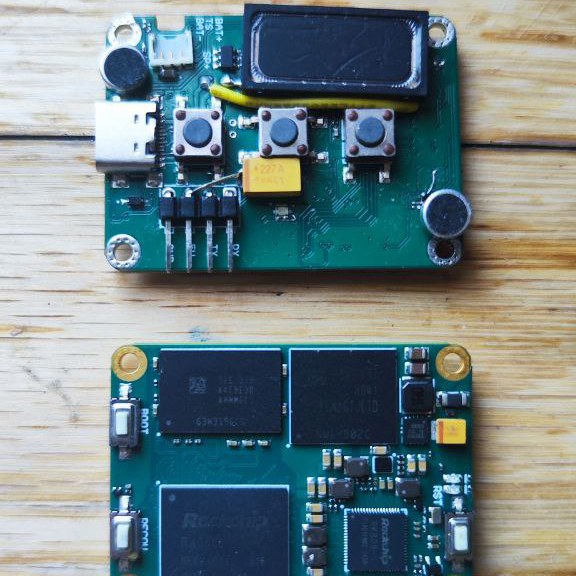
Speech is recognised. The meaning is translated. The result is spoken aloud. Each stage runs on a processor built for on-device machine learning.
Cloud translation has effectively unlimited computing power behind it. Doing the same work inside something you can clip to a collar, on a battery that lasts a shift, means every model has to be small enough to fit and fast enough to keep up with a conversation. Most of the engineering is in that constraint.
There is no fourth stage where something is uploaded. That absence is the design.
Tactile controls that can be found without looking, for hands that are already busy.
The device tells you what it's doing, so it can be used without reading a screen.
Built to be dropped, wiped down and passed to the next person on duty.
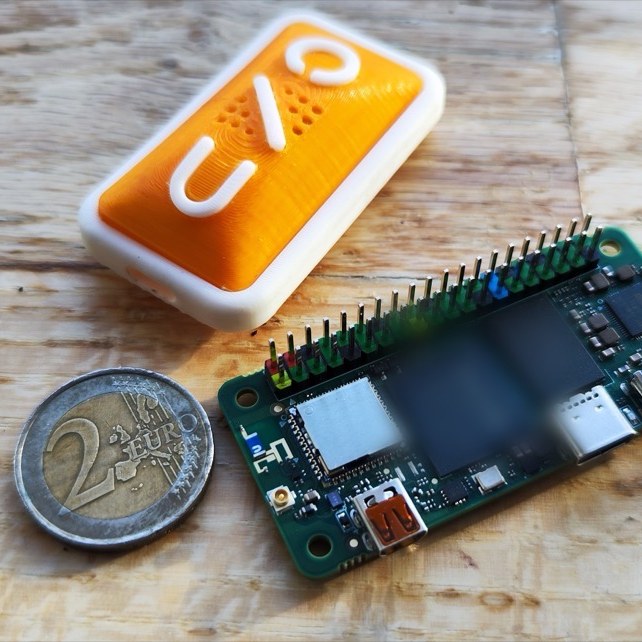
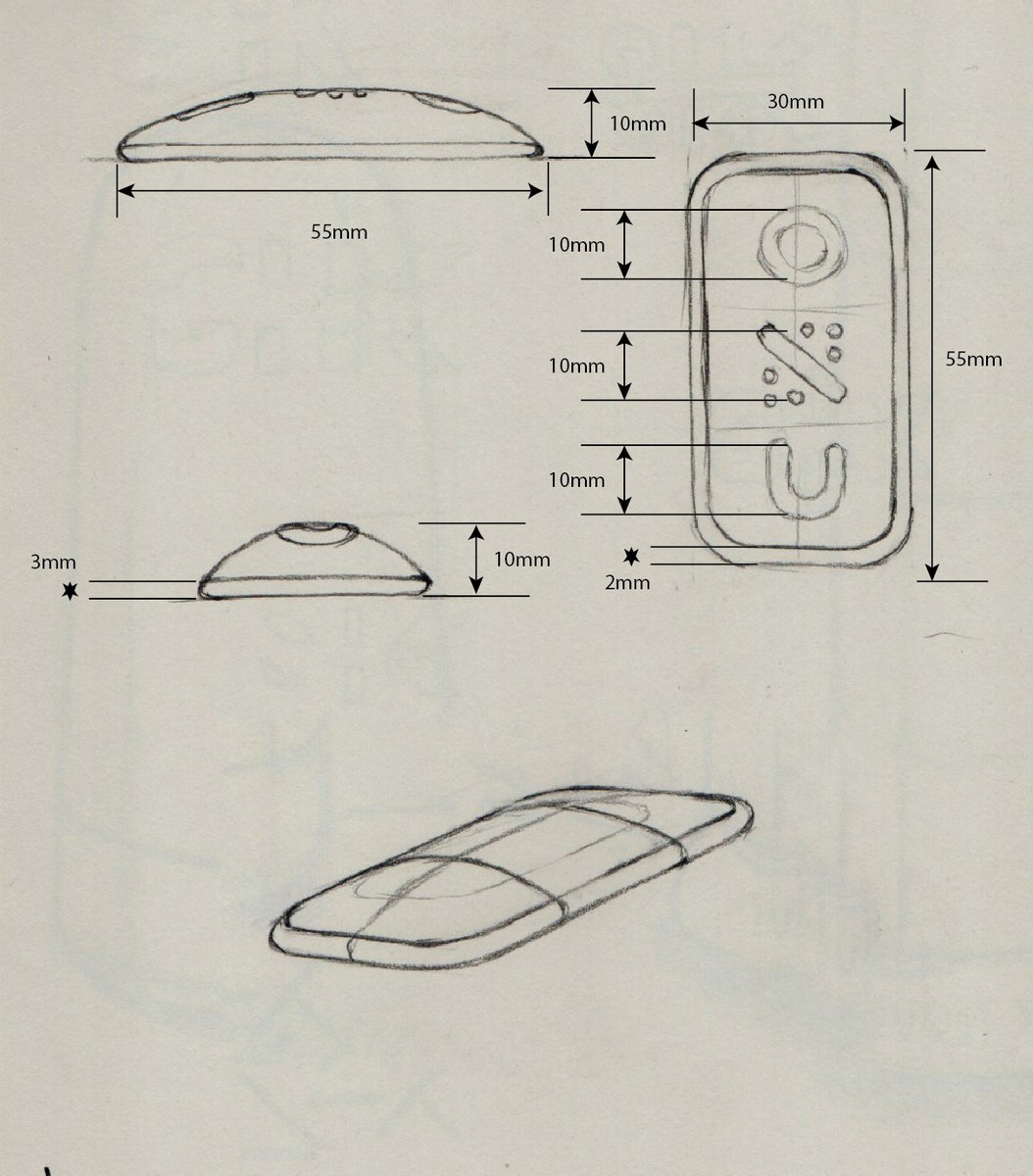
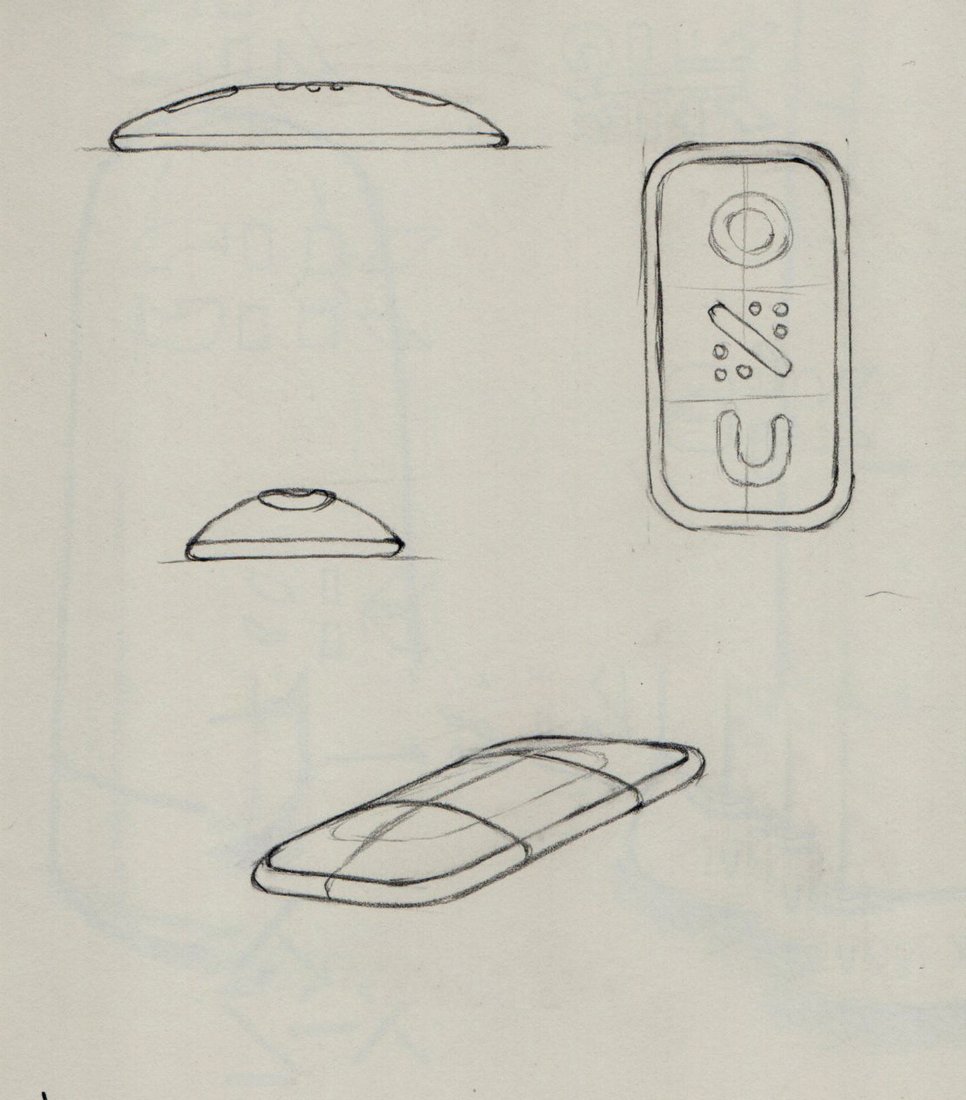
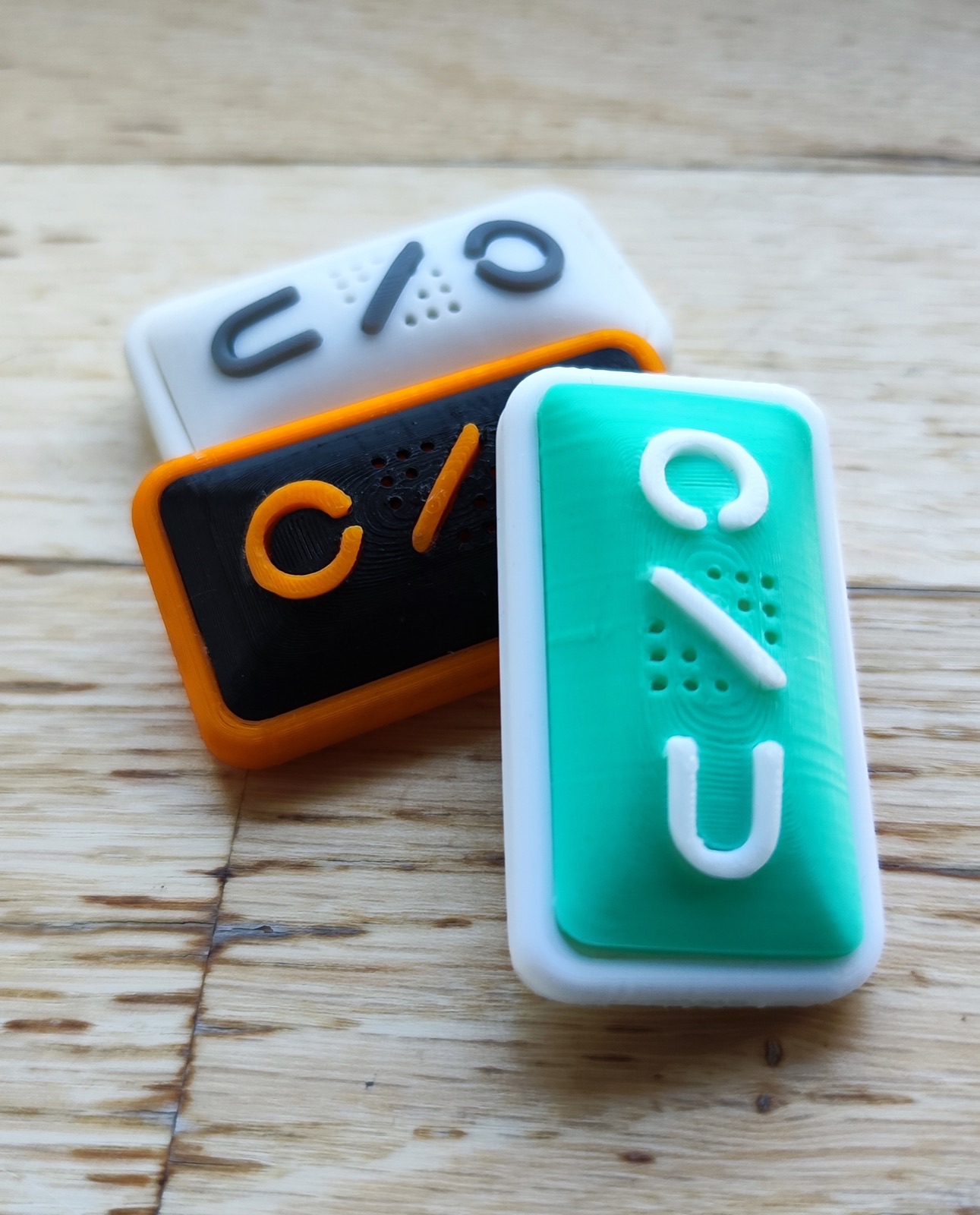
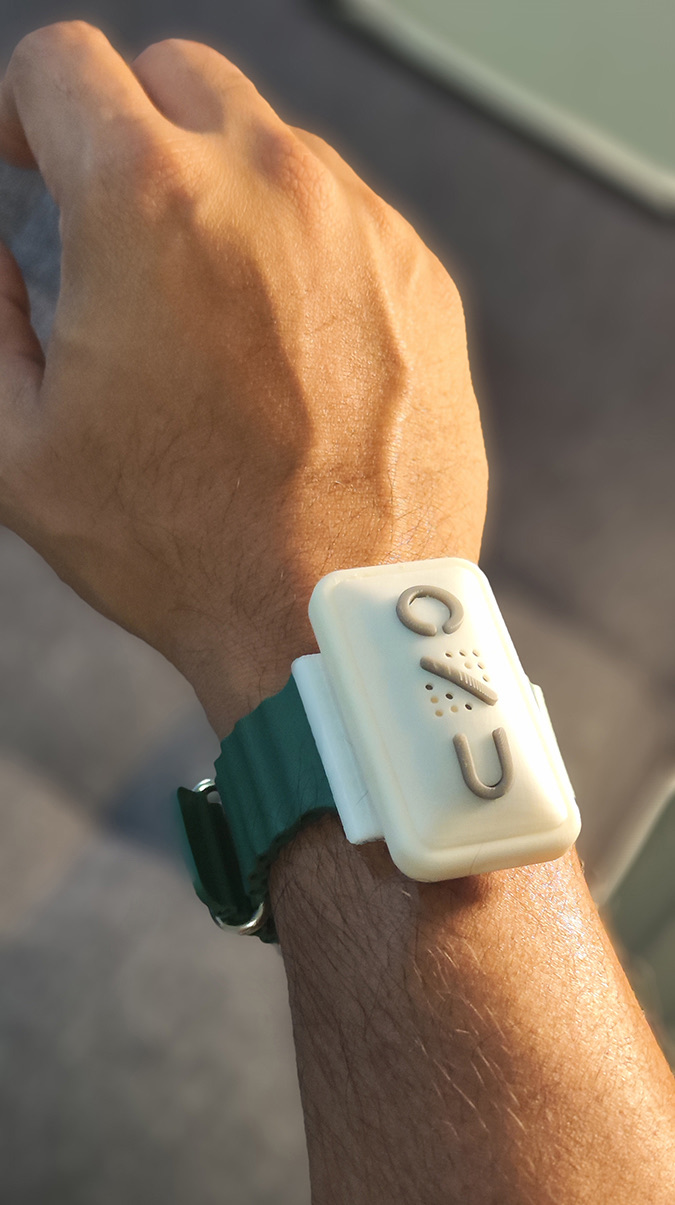
The size was settled before the electronics were: something that could sit on a collar, a lanyard or a wrist without getting in the way of the work.
Form studies are non-working models used to test size, weight and how the device sits on the body.
That's what we could build first, and it's what runs on the device now.
It is often not what's needed. In German care settings the greater demand is Ukrainian, Arabic, Turkish, Polish and Russian — and that's what we're building toward next.